When Technology Doesn’t Connect, Operations Suffer

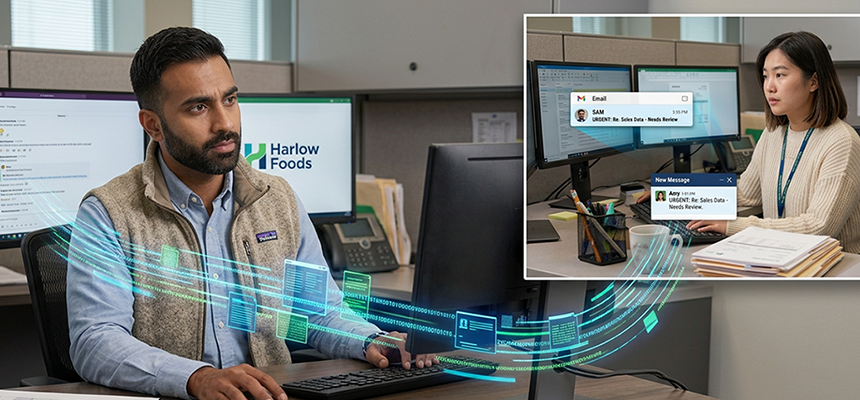
Foodservice operators are not short on technology. Ordering, inventory, pricing, and procurement systems are all in place, each designed to improve performance in a specific area. The challenge stems from what happens between these systems.
When that coordination breaks down, the impact shows up quickly in day-to-day execution. Pricing can drift, substitutions can miss contract intent, with the issues not surfacing until reconciliation. That was a central theme in iTradeNetwork’s recent presentation at The Food Institute Virtual Summit, where David White, Principal of Solutions Consulting, examined the operational friction caused by disconnected systems.
Fragmented Data: The One Thing AI Can’t Shortcut
Foodservice operators are not short on technology. The problem is that critical data still sits in too many separate places. Pricing and POS data can sit in different systems, while distributor catalogs update independently, and product attributes change upstream before the rest of the workflow catches up.
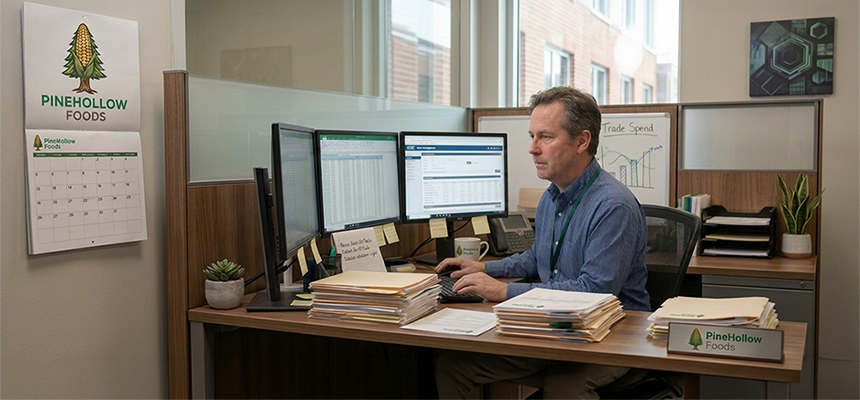
That disconnect creates friction long before anyone reaches reconciliation. Contract pricing does not always carry through as intended. Product substitutions can drift from approved standards. Teams end up sorting through mismatches after the fact instead of preventing them earlier in the process.
AI can help, but it is not a shortcut around fragmented data. Without a connected foundation, it is more likely to identify issues after they have already affected pricing, execution, or margin than prevent them in the first place. The bigger opportunity is to make pricing, product, and distributor data usable at the moment decisions are made.
Building a Connected Data Foundation
Rather than adding another disconnected layer, Cerena for Operators solution suite helps foodservice organizations bring ordering, pricing, compliance, inventory visibility, and spend intelligence into a single operational model. With trusted, standardized distributor data informing decisions at the moment they matter, operators can enforce pricing and contract compliance earlier, validate substitutions more confidently, and reduce the rework that often shows up downstream.
The goal is better execution before errors reach the invoice. With connected data flowing earlier through the workflow, the Cerena for Operators solution suite helps operators purchase more consistently, reduce conciliation cleanup, and maintain stronger control across the complex distributor environments.
Execution is only as consistent as the data behind it. To explore a more strategic approach to your foodservice operations and see our tools in action, you can connect with our team to learn more about the approach and see the tools in action here.
Redefine the revenue impact of freight data & analytics
Uncover what clients and clientele are prioritizing in today’s shifting freight and logistics landscape.
Redefine the revenue impact of freight data & analytics
Uncover what clients and clientele are prioritizing in today’s shifting freight and logistics landscape.
Speak to an Expert
Take a closer look at the platform built for buyers and their trading partners
When Technology Doesn’t Connect, Operations Suffer
Foodservice operators are not short on technology. Ordering, inventory, pricing, and procurement systems are all in place, each designed to improve performance in a specific area. The challenge stems from what happens between these systems.
When that coordination breaks down, the impact shows up quickly in day-to-day execution. Pricing can drift, substitutions can miss contract intent, with the issues not surfacing until reconciliation. That was a central theme in iTradeNetwork’s recent presentation at The Food Institute Virtual Summit, where David White, Principal of Solutions Consulting, examined the operational friction caused by disconnected systems.
Fragmented Data: The One Thing AI Can’t Shortcut
Foodservice operators are not short on technology. The problem is that critical data still sits in too many separate places. Pricing and POS data can sit in different systems, while distributor catalogs update independently, and product attributes change upstream before the rest of the workflow catches up.
That disconnect creates friction long before anyone reaches reconciliation. Contract pricing does not always carry through as intended. Product substitutions can drift from approved standards. Teams end up sorting through mismatches after the fact instead of preventing them earlier in the process.
AI can help, but it is not a shortcut around fragmented data. Without a connected foundation, it is more likely to identify issues after they have already affected pricing, execution, or margin than prevent them in the first place. The bigger opportunity is to make pricing, product, and distributor data usable at the moment decisions are made.
Building a Connected Data Foundation
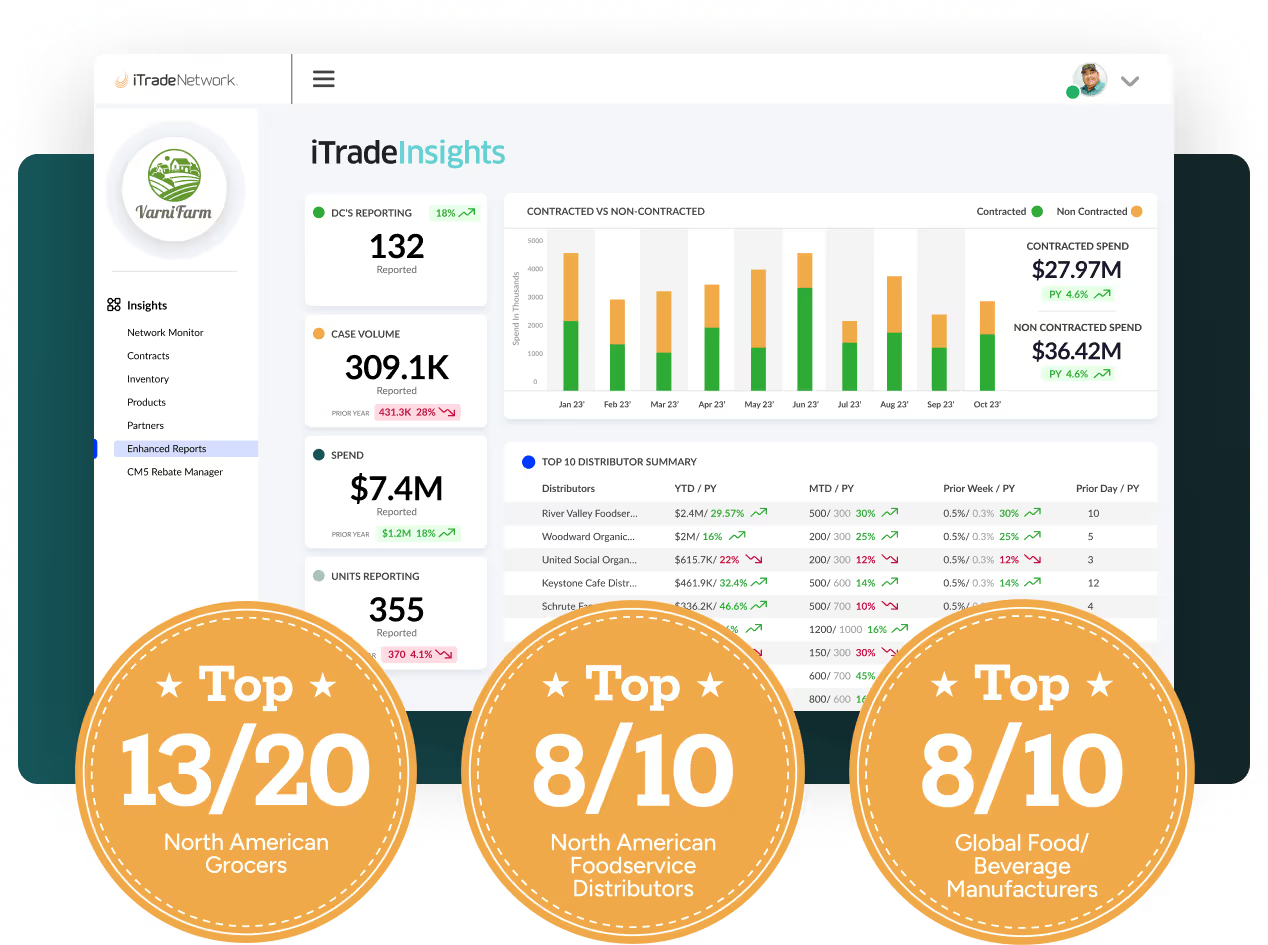
Rather than adding another disconnected layer, Cerena for Operators solution suite helps foodservice organizations bring ordering, pricing, compliance, inventory visibility, and spend intelligence into a single operational model. With trusted, standardized distributor data informing decisions at the moment they matter, operators can enforce pricing and contract compliance earlier, validate substitutions more confidently, and reduce the rework that often shows up downstream.
The goal is better execution before errors reach the invoice. With connected data flowing earlier through the workflow, the Cerena for Operators solution suite helps operators purchase more consistently, reduce conciliation cleanup, and maintain stronger control across the complex distributor environments.
Execution is only as consistent as the data behind it. To explore a more strategic approach to your foodservice operations and see our tools in action, you can connect with our team to learn more about the approach and see the tools in action here.
Unlock It Now!