What Your Contract Actually Protects, If Anyone Can Find It
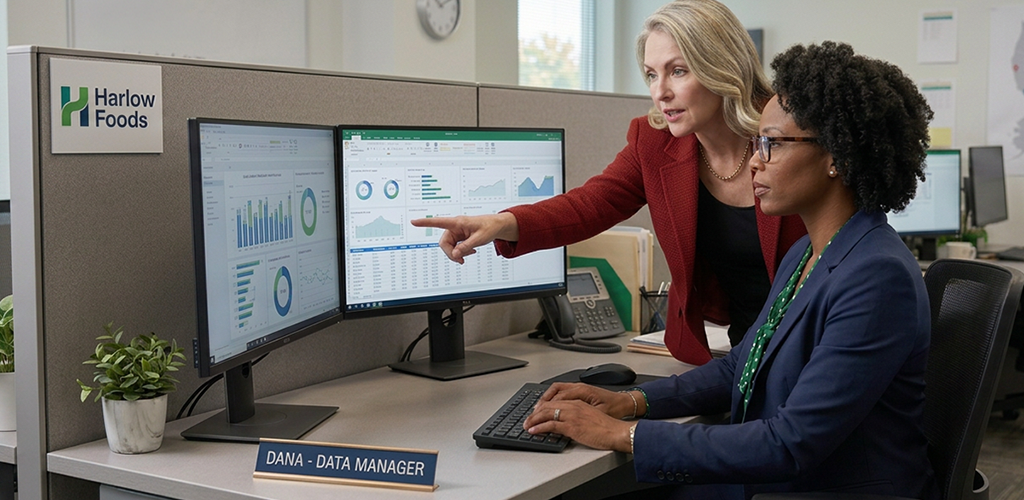
Tara manages trade marketing contracts at Harlow Foods*, working out of the same building as Dana on a different floor. Harlow Foods is a fictional mid-market manufacturer, and Tara, its trade marketing manager.
She has negotiated rebate programs with distributors and GPOs for nine years. Her job is part negotiation and part paperwork. Every deal she closes eventually becomes a contract that someone else has to enforce long after she has moved on to the next one.
Before Harlow Foods adopted MarginIQ, contracts lived as signed PDFs stored in a shared drive with an inconsistent naming convention. Finding the right version during a dispute could take a full afternoon of searching old email threads and asking around.
Months ago, Tara negotiated the contract and rebate agreement for the GPO that Dana is now onboarding into MarginIQ. The deal took two rounds of calls and one in-person visit to finalize.
During those negotiations, one of the GPO's regional directors mentioned in passing that one operator also bought through a separate distributor relationship. Tara made a mental note of it but did not think much of it at the time.
The signed agreement includes a standard clause barring duplicate claims on the same sales volume, the kind of language every rebate contract Harlow Foods writes includes as a matter of course. It is a formality in the paperwork, not something MarginIQ needs to record as a clause explicitly. But it knows well to keep an eye out for any such duplicates on behalf of the manufacturer.
Before Tara enters any contract terms into MarginIQ, she makes sure the account hierarchy is right. She walks over to Dana's desk while Dana is still building the hierarchy for this GPO, and mentions the detail from the earlier negotiation call.
That conversation is the reason the same pre-existing operator gets linked to the GPO correctly before a duplicate goes live in the system. Tara wants the account hierarchy settled first, since the contract terms she is about to enter will only mean anything if they are attached to the right accounts.
Once Dana confirms the mapping, Tara enters the contract terms into MarginIQ herself.
She enters the rebate rate and the volume thresholds tied to this agreement. She does not enter the duplicate-claim clause itself, because MarginIQ does not need any explicit contract language that way and knows to track it automatically.
She does not enter the duplicate-claim clause itself, because MarginIQ does not need any explicit contract language that way and knows to track it automatically. What the system does instead is cross-reference the details that make a duplicate visible. It checks the account hierarchy, the product codes, the invoice numbers, the dates, and the volume on every claim against this contract's terms.
A duplicate only becomes visible when all of those details point back to the same operator across two claims. The clause in the signed contract never has to be read by anyone or anything for that to happen.
The contract now sits inside MarginIQ as the system of record for this program's rebate terms. It is not a document buried in a shared drive or an old inbox somewhere, waiting to be searched for during a dispute.
Every claim submitted against this account gets checked against those terms, the account hierarchy, and the claim details together, the moment it arrives. Tara does not have to remember what the contract says or reopen it for any of that to happen, and neither does anyone else on her team.
Her job was never to catch a specific duplicate claim in real time. Her job was to negotiate terms that actually protect Harlow Foods’ margin once she has moved on to the next deal entirely.
Whether those terms hold depends on whether anyone can find and apply them later. That used to depend on someone remembering where the file was saved, or remembering the conversation at all.
Weeks later, a duplicate claim will try to clear against this same contract. It will fail the check Tara set up months earlier, though she will never see this exact moment happen in real time.
By then, Tara is already three contracts further down her list, negotiating terms for a distributor relationship that has not gone live yet. She has largely forgotten the specific hallway conversation with Dana.
What she will remember, weeks later, is a short message from someone in accounting she has never met, mentioning that a clause she wrote actually held up on a real claim. It is a small note, easy to miss in a busy inbox, but it lands.
That message is the only sign Tara ever gets that the paperwork did its job. Most of her contracts never generate that kind of confirmation. This one did, and she saves the message before closing her laptop for the day.
Tara's contract terms are only half the story. Start from the beginning or see the moment this exact claim gets flagged.
Get Your Personalized MarginIQ ROI Assessment now. See how your contract terms connect to live claims data.
A Quick Note on Harlow Foods
Harlow Foods is a fictional company The story is not based on a specific iTradeNetwork customer. We created Harlow Foods, along with its four employees, Dana, Tara, Sam, and Amy, purely to illustrate how MarginIQ works across departments that do not normally talk to each other.
The account hierarchy, the contract clause, and the duplicate claim are a representative scenario, not a documented case study. Any resemblance to a real manufacturer's account setup is coincidental.
Redefine the revenue impact of freight data & analytics
Uncover what clients and clientele are prioritizing in today’s shifting freight and logistics landscape.
Redefine the revenue impact of freight data & analytics
Uncover what clients and clientele are prioritizing in today’s shifting freight and logistics landscape.
Speak to an Expert
Take a closer look at the platform built for buyers and their trading partners
What Your Contract Actually Protects, If Anyone Can Find It
Tara manages trade marketing contracts at Harlow Foods*, working out of the same building as Dana on a different floor. Harlow Foods is a fictional mid-market manufacturer, and Tara, its trade marketing manager.
She has negotiated rebate programs with distributors and GPOs for nine years. Her job is part negotiation and part paperwork. Every deal she closes eventually becomes a contract that someone else has to enforce long after she has moved on to the next one.
Before Harlow Foods adopted MarginIQ, contracts lived as signed PDFs stored in a shared drive with an inconsistent naming convention. Finding the right version during a dispute could take a full afternoon of searching old email threads and asking around.
Months ago, Tara negotiated the contract and rebate agreement for the GPO that Dana is now onboarding into MarginIQ. The deal took two rounds of calls and one in-person visit to finalize.
During those negotiations, one of the GPO's regional directors mentioned in passing that one operator also bought through a separate distributor relationship. Tara made a mental note of it but did not think much of it at the time.
The signed agreement includes a standard clause barring duplicate claims on the same sales volume, the kind of language every rebate contract Harlow Foods writes includes as a matter of course. It is a formality in the paperwork, not something MarginIQ needs to record as a clause explicitly. But it knows well to keep an eye out for any such duplicates on behalf of the manufacturer.
Before Tara enters any contract terms into MarginIQ, she makes sure the account hierarchy is right. She walks over to Dana's desk while Dana is still building the hierarchy for this GPO, and mentions the detail from the earlier negotiation call.
That conversation is the reason the same pre-existing operator gets linked to the GPO correctly before a duplicate goes live in the system. Tara wants the account hierarchy settled first, since the contract terms she is about to enter will only mean anything if they are attached to the right accounts.
Once Dana confirms the mapping, Tara enters the contract terms into MarginIQ herself.
She enters the rebate rate and the volume thresholds tied to this agreement. She does not enter the duplicate-claim clause itself, because MarginIQ does not need any explicit contract language that way and knows to track it automatically.
She does not enter the duplicate-claim clause itself, because MarginIQ does not need any explicit contract language that way and knows to track it automatically. What the system does instead is cross-reference the details that make a duplicate visible. It checks the account hierarchy, the product codes, the invoice numbers, the dates, and the volume on every claim against this contract's terms.
A duplicate only becomes visible when all of those details point back to the same operator across two claims. The clause in the signed contract never has to be read by anyone or anything for that to happen.
The contract now sits inside MarginIQ as the system of record for this program's rebate terms. It is not a document buried in a shared drive or an old inbox somewhere, waiting to be searched for during a dispute.
Every claim submitted against this account gets checked against those terms, the account hierarchy, and the claim details together, the moment it arrives. Tara does not have to remember what the contract says or reopen it for any of that to happen, and neither does anyone else on her team.
Her job was never to catch a specific duplicate claim in real time. Her job was to negotiate terms that actually protect Harlow Foods’ margin once she has moved on to the next deal entirely.
Whether those terms hold depends on whether anyone can find and apply them later. That used to depend on someone remembering where the file was saved, or remembering the conversation at all.
Weeks later, a duplicate claim will try to clear against this same contract. It will fail the check Tara set up months earlier, though she will never see this exact moment happen in real time.
By then, Tara is already three contracts further down her list, negotiating terms for a distributor relationship that has not gone live yet. She has largely forgotten the specific hallway conversation with Dana.
What she will remember, weeks later, is a short message from someone in accounting she has never met, mentioning that a clause she wrote actually held up on a real claim. It is a small note, easy to miss in a busy inbox, but it lands.
That message is the only sign Tara ever gets that the paperwork did its job. Most of her contracts never generate that kind of confirmation. This one did, and she saves the message before closing her laptop for the day.
Tara's contract terms are only half the story. Start from the beginning or see the moment this exact claim gets flagged.
Get Your Personalized MarginIQ ROI Assessment now. See how your contract terms connect to live claims data.
A Quick Note on Harlow Foods
Harlow Foods is a fictional company The story is not based on a specific iTradeNetwork customer. We created Harlow Foods, along with its four employees, Dana, Tara, Sam, and Amy, purely to illustrate how MarginIQ works across departments that do not normally talk to each other.
The account hierarchy, the contract clause, and the duplicate claim are a representative scenario, not a documented case study. Any resemblance to a real manufacturer's account setup is coincidental.
Unlock It Now!