FSMA 204 Delays Don’t Change Buyer Expectations
When the FDA delayed enforcement of FSMA 204 until 2028, some organizations took it as breathing room. But traceability didn’t pause.
If anything, expectations across the food supply chain have accelerated.
Retailers and foodservice operators are still asking the same questions. Can you provide compliant KDE data on demand? Can you link traceability directly to purchase orders? Can you respond to a recall inquiry in minutes, not days? Can you provide data integrity across trading partners?
The regulatory clock may have shifted, but the operational reality has not.
Compliance Was Never the Finish Line
FSMA 204 was designed to improve transparency across Critical Tracking Events (CTEs) and Key Data Elements (KDEs).
But traceability has evolved beyond regulatory alignment. Today, it’s directly tied to trading relationships, operational efficiency, and brand protection.
In a market defined by thin margins and shifting consumer expectations, delays in traceability reporting are both compliance and operational risks. Fragmented records slow investigations, disconnected systems create manual work, and inconsistent data erodes buyer confidence.
Buyer Pressure Is the Real Deadline
While enforcement timelines moved, buyer requirements did not.
Large Retail Grocery chains and foodservice operators continue to expect standardized case-level labeling, ASN-linked trace data, validated KDE reporting, and faster response times during incident investigations.
Suppliers who can produce accurate, standardized trace data quickly reduce friction across the supply chain. Those who cannot introduce cost, delay, and risk into every transaction.
The organizations gaining advantage today are strengthening their data foundation now.
What Operational Traceability Actually Looks Like
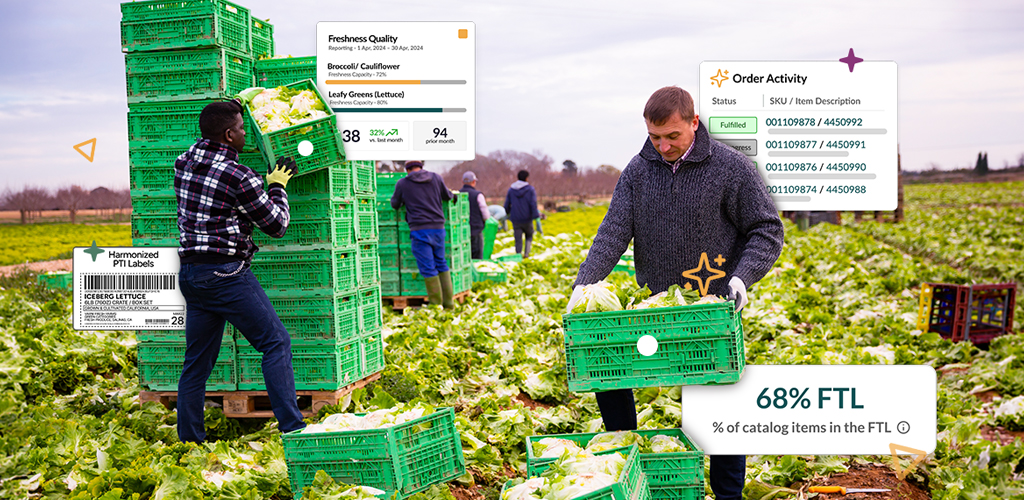
Getting ahead of FSMA 204 means embedding traceability directly into the way your team already works, so it becomes part of everyday operations rather than an added reporting layer. With iTradeNetwork’s iTraceFresh capabilities, that means:
- Capturing KDEs at harvest, cooling, packing, and shipping
- Printing compliant GS1-128 PTI case and pallet labels
- Linking traceability data directly to purchase orders through ASN integration
- Accessing real-time FSMA 204 reporting within order management systems
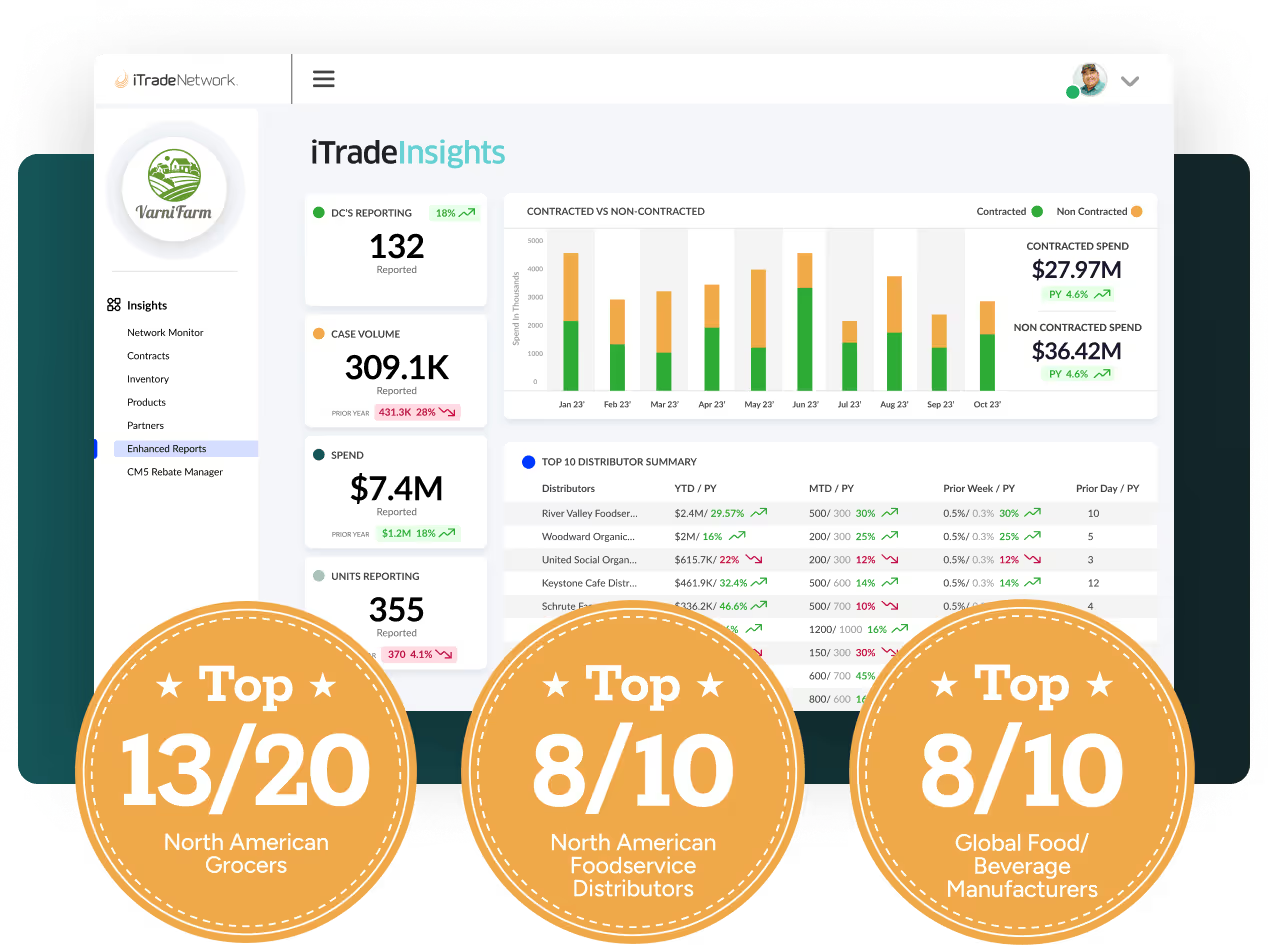
- Monitoring compliance performance through advanced dashboards
When traceability lives within procurement and fulfillment workflows rather than outside them, response times shrink, manual effort decreases, and confidence across trading partners increases.
From Data Chaos to Data Confidence
Organizations are moving away from fragmented systems toward unified data environments that reduce reconciliation work and improve visibility across partners.
That’s where iTradeNetwork’s traceability capabilities, delivered through iTraceFresh, are packaged and delivered through the Cerena for Grower Shippers experience.
The Cerena Solution Suite is how iTradeNetwork packages and delivers procurement, compliance, spend, and data capabilities as a connected experience. It helps ensure traceability doesn’t sit in isolation from order management, data standardization, or partner collaboration.
The result:
- A single source of truth across trading partners
- Fewer manual touchpoints
- Stronger audit readiness
- Faster, more confident responses during investigations
This is how supply chains move from reactive compliance to proactive control.
Strengthen Your Traceability Strategy
FSMA 204 enforcement may be delayed, but buyer expectations are not.
Learn how iTradeNetwork’s traceability solutions can help you standardize data, streamline workflows, and build a more resilient, connected supply chain.
Explore the solution here: https://www.itradenetwork.com/solutions/procurement-food-safety/traceability.
Redefine the revenue impact of freight data & analytics
Uncover what clients and clientele are prioritizing in today’s shifting freight and logistics landscape.
Redefine the revenue impact of freight data & analytics
Uncover what clients and clientele are prioritizing in today’s shifting freight and logistics landscape.
Speak to an Expert
Take a closer look at the platform built for buyers and their trading partners
FSMA 204 Delays Don’t Change Buyer Expectations
When the FDA delayed enforcement of FSMA 204 until 2028, some organizations took it as breathing room. But traceability didn’t pause.
If anything, expectations across the food supply chain have accelerated.
Retailers and foodservice operators are still asking the same questions. Can you provide compliant KDE data on demand? Can you link traceability directly to purchase orders? Can you respond to a recall inquiry in minutes, not days? Can you provide data integrity across trading partners?
The regulatory clock may have shifted, but the operational reality has not.
Compliance Was Never the Finish Line
FSMA 204 was designed to improve transparency across Critical Tracking Events (CTEs) and Key Data Elements (KDEs).
But traceability has evolved beyond regulatory alignment. Today, it’s directly tied to trading relationships, operational efficiency, and brand protection.
In a market defined by thin margins and shifting consumer expectations, delays in traceability reporting are both compliance and operational risks. Fragmented records slow investigations, disconnected systems create manual work, and inconsistent data erodes buyer confidence.
Buyer Pressure Is the Real Deadline
While enforcement timelines moved, buyer requirements did not.
Large Retail Grocery chains and foodservice operators continue to expect standardized case-level labeling, ASN-linked trace data, validated KDE reporting, and faster response times during incident investigations.
Suppliers who can produce accurate, standardized trace data quickly reduce friction across the supply chain. Those who cannot introduce cost, delay, and risk into every transaction.
The organizations gaining advantage today are strengthening their data foundation now.
What Operational Traceability Actually Looks Like
Getting ahead of FSMA 204 means embedding traceability directly into the way your team already works, so it becomes part of everyday operations rather than an added reporting layer. With iTradeNetwork’s iTraceFresh capabilities, that means:
- Capturing KDEs at harvest, cooling, packing, and shipping
- Printing compliant GS1-128 PTI case and pallet labels
- Linking traceability data directly to purchase orders through ASN integration
- Accessing real-time FSMA 204 reporting within order management systems
- Monitoring compliance performance through advanced dashboards
When traceability lives within procurement and fulfillment workflows rather than outside them, response times shrink, manual effort decreases, and confidence across trading partners increases.
From Data Chaos to Data Confidence
Organizations are moving away from fragmented systems toward unified data environments that reduce reconciliation work and improve visibility across partners.
That’s where iTradeNetwork’s traceability capabilities, delivered through iTraceFresh, are packaged and delivered through the Cerena for Grower Shippers experience.
The Cerena Solution Suite is how iTradeNetwork packages and delivers procurement, compliance, spend, and data capabilities as a connected experience. It helps ensure traceability doesn’t sit in isolation from order management, data standardization, or partner collaboration.
The result:
- A single source of truth across trading partners
- Fewer manual touchpoints
- Stronger audit readiness
- Faster, more confident responses during investigations
This is how supply chains move from reactive compliance to proactive control.
Strengthen Your Traceability Strategy
FSMA 204 enforcement may be delayed, but buyer expectations are not.
Learn how iTradeNetwork’s traceability solutions can help you standardize data, streamline workflows, and build a more resilient, connected supply chain.
Explore the solution here: https://www.itradenetwork.com/solutions/procurement-food-safety/traceability.
Unlock It Now!