2026 in Focus: The Data, Pricing, and AI Shifts Ahead

In 2025, food and beverage planning rarely stayed steady for long. Demand shifted as consumers prioritized higher-protein, lower-calorie choices, and even GLP-1 medications continued to influence purchasing patterns. Operators adjusted menus and value offers, which pushed manufacturers to stay flexible across formats, forecasting, and service levels.
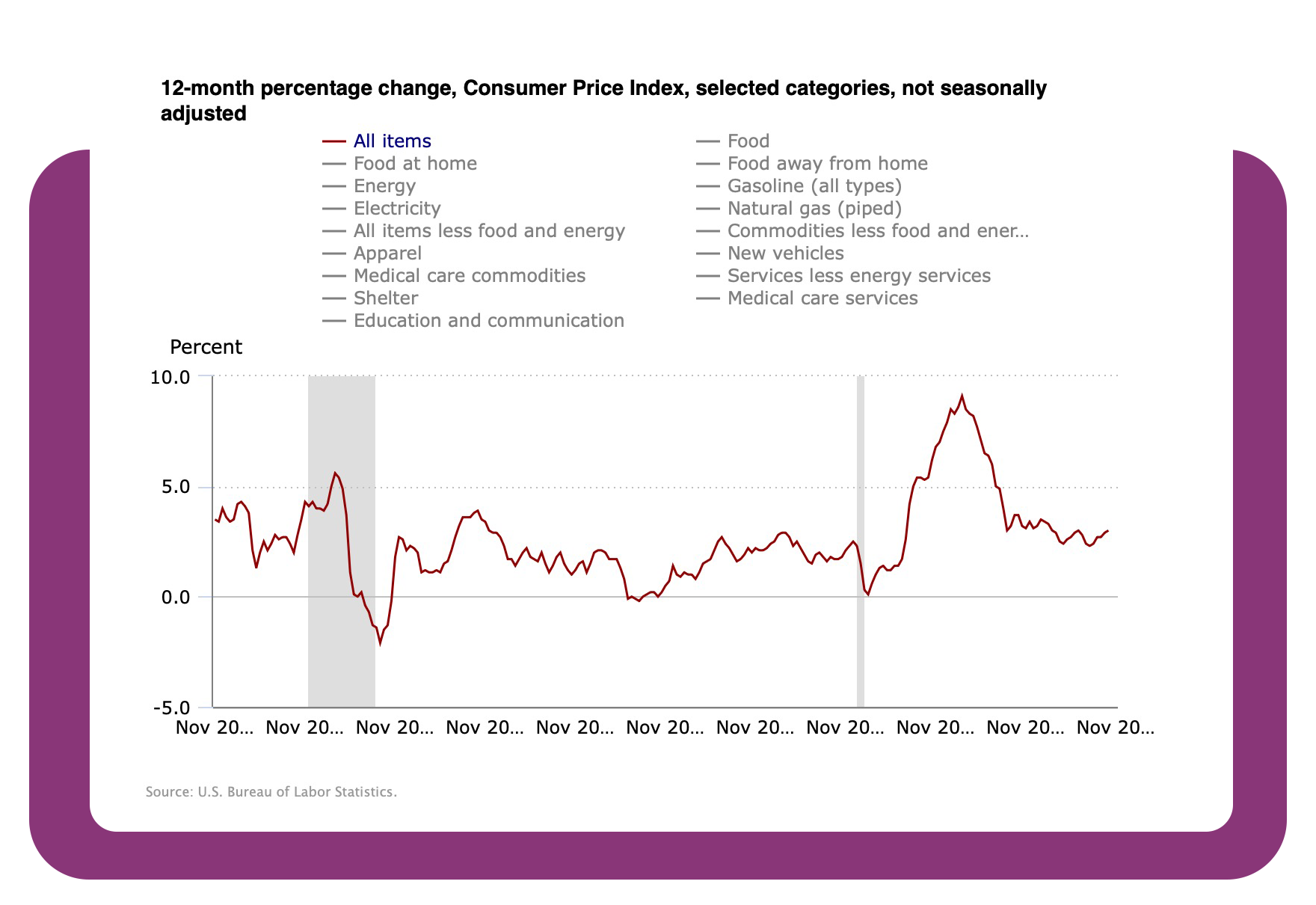
At the same time, margin pressure remained intense. In a “two cents on the dollar” environment, small disruptions can hit profitability fast. The food-away-from-home index rose 3.7% over the 12 months ending September 2025. Additionally, regulatory expectations continue to evolve as the FDA moves to extend the FSMA 204 compliance date by 30 months.
Heading into 2026, manufacturers are seeing a clear shift in how margin protection and variance management get handled day to day.
- Clean data becomes non-negotiable infrastructure
AI depends on reliable inputs. Item attributes, customer hierarchies, and partner records need to stay accurate, consistent, and accessible across everyday workflows. That’s why more teams are investing in a shared foundation, such as Master Data Services (MDS), to keep catalogs synchronized, reduce rework, and support traceability. - Pricing accuracy becomes a daily discipline
When pricing, contracts, and deductions reside in different systems, even minor discrepancies can result in significant leakage. In 2026, the goal is to minimize surprises, which includes a focus on tighter alignment between what was agreed upon, what was shipped, what was invoiced, and what was claimed. Tools like Profit & Trade Optimization, which validate claims, catch duplicates, and improve program efficiency, help teams stay ahead of double-dips and avoid paying what they don’t owe.
- AI shifts from “pilot mode” to embedded workflows
By 2030, Gartner predicts 70% of large organizations will adopt AI-based supply chain forecasting, which makes 2026 the year to get practical. The win is not generic AI but rather AI that works inside the workflows your team already runs and helps them move faster on exceptions.
This direction reflects how iTradeNetwork organizes and delivers its Trade Spend and Revenue Management capabilities through the Cerena Solution Suite for Manufacturers. It connects data and workflows across the food and beverage network, enabling manufacturers to move faster with clearer insights and fewer disputes. Going into 2026, the goal isn’t “more data” or “more AI.” It’s fewer surprises because your systems are connected, your inputs are trusted, and your teams can act fast.
Want to see what this looks like in your environment? Start with the workflows where accuracy matters most, then scale with confidence. Schedule a demo.
Redefine the revenue impact of freight data & analytics
Uncover what clients and clientele are prioritizing in today’s shifting freight and logistics landscape.
Redefine the revenue impact of freight data & analytics
Uncover what clients and clientele are prioritizing in today’s shifting freight and logistics landscape.
Speak to an Expert
Take a closer look at the platform built for buyers and their trading partners
2026 in Focus: The Data, Pricing, and AI Shifts Ahead
In 2025, food and beverage planning rarely stayed steady for long. Demand shifted as consumers prioritized higher-protein, lower-calorie choices, and even GLP-1 medications continued to influence purchasing patterns. Operators adjusted menus and value offers, which pushed manufacturers to stay flexible across formats, forecasting, and service levels.
At the same time, margin pressure remained intense. In a “two cents on the dollar” environment, small disruptions can hit profitability fast. The food-away-from-home index rose 3.7% over the 12 months ending September 2025. Additionally, regulatory expectations continue to evolve as the FDA moves to extend the FSMA 204 compliance date by 30 months.
Heading into 2026, manufacturers are seeing a clear shift in how margin protection and variance management get handled day to day.
- Clean data becomes non-negotiable infrastructure
AI depends on reliable inputs. Item attributes, customer hierarchies, and partner records need to stay accurate, consistent, and accessible across everyday workflows. That’s why more teams are investing in a shared foundation, such as Master Data Services (MDS), to keep catalogs synchronized, reduce rework, and support traceability. - Pricing accuracy becomes a daily discipline
When pricing, contracts, and deductions reside in different systems, even minor discrepancies can result in significant leakage. In 2026, the goal is to minimize surprises, which includes a focus on tighter alignment between what was agreed upon, what was shipped, what was invoiced, and what was claimed. Tools like Profit & Trade Optimization, which validate claims, catch duplicates, and improve program efficiency, help teams stay ahead of double-dips and avoid paying what they don’t owe.
- AI shifts from “pilot mode” to embedded workflows
By 2030, Gartner predicts 70% of large organizations will adopt AI-based supply chain forecasting, which makes 2026 the year to get practical. The win is not generic AI but rather AI that works inside the workflows your team already runs and helps them move faster on exceptions.
This direction reflects how iTradeNetwork organizes and delivers its Trade Spend and Revenue Management capabilities through the Cerena Solution Suite for Manufacturers. It connects data and workflows across the food and beverage network, enabling manufacturers to move faster with clearer insights and fewer disputes. Going into 2026, the goal isn’t “more data” or “more AI.” It’s fewer surprises because your systems are connected, your inputs are trusted, and your teams can act fast.
Want to see what this looks like in your environment? Start with the workflows where accuracy matters most, then scale with confidence. Schedule a demo.
Unlock It Now!