Practical AI in Food Manufacturing: Start with Data Alignment, Then Automate What Matters
The food manufacturing industry is under increasing pressure to forecast demand accurately, protect margins, and respond more quickly to market shifts. As the use of AI continues to evolve, many manufacturers see automation as the answer, but only if the data behind it can be trusted.
Gartner predicts that by 2030, 70% of large organizations will adopt AI-based supply chain forecasting. Yet for many manufacturers, early AI initiatives stall not because the technology falls short, but because the data feeding it is incomplete, inconsistent, or spread across disconnected systems.
With AI here to stay, the real challenge is figuring out how to apply it in ways that actually improve decision-making rather than create more noise.
Pain Points of Automation
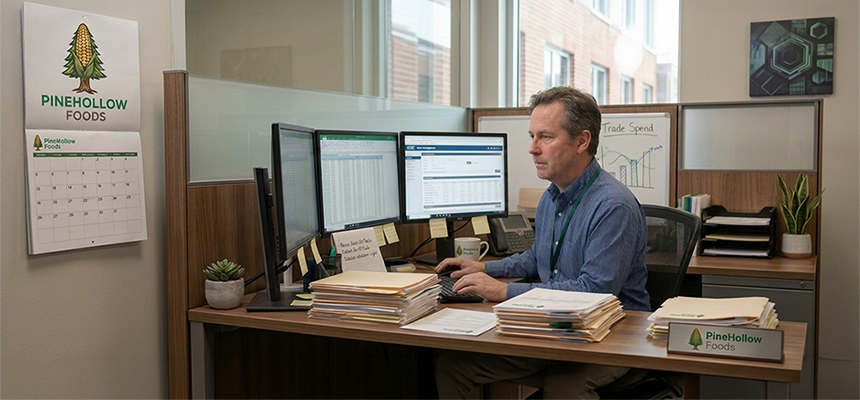
In many manufacturing organizations, critical data lives in separate spheres within an organization’s platform. Pricing details, product attributes, and contract terms often exist in isolation, making it difficult to form a complete and reliable view of the business.
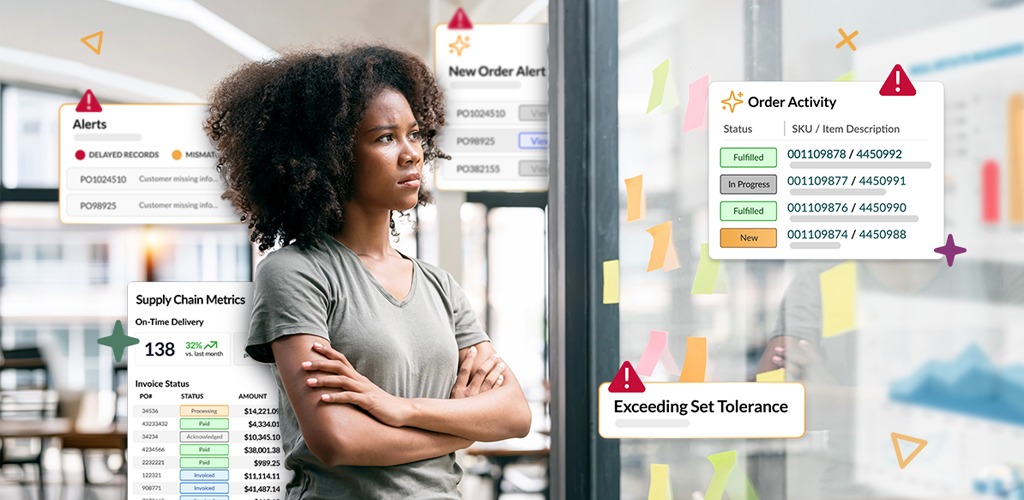
When these inputs aren’t aligned, AI tools struggle to deliver meaningful results. Forecasts become unreliable, pricing decisions lack context, and automation amplifies inconsistencies instead of reducing work.
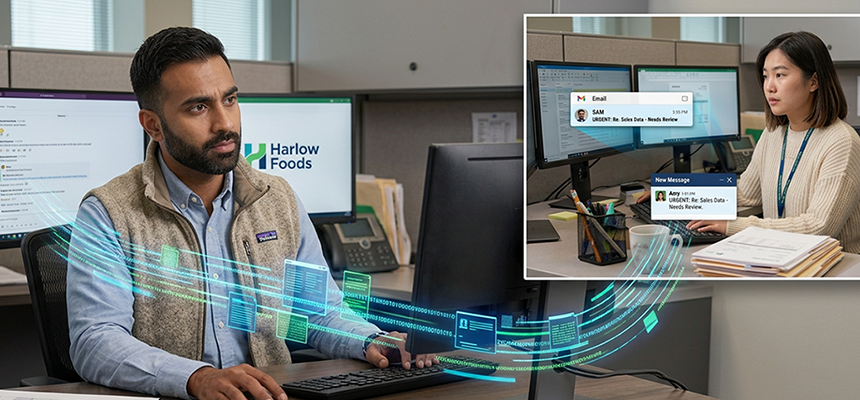
Consider a common scenario: a manufacturer attempts to use AI to forecast pricing and demand, but cost data, output metrics, and agreement terms are stored across multiple platforms. Without access to a unified, validated dataset, AI models generate flawed predictions. Teams are then forced to manually reconcile discrepancies, which increases workload and slows decision-making.
Aligning data before automation prevents these issues and creates a foundation AI can actually build on.
A More Pragmatic Approach to AI
This is where iTradeNetwork’s approach stands apart.
Cerena is iTradeNetwork’s unified solution framework that delivers connected, AI-enabled workflows across procurement, compliance, spend, and data. Rather than introducing AI as a standalone layer, Cerena brings structure to fragmented workflows by coordinating product attributes, contract terms, and validated pricing information across systems.
By aligning data first, manufacturers can apply AI inside the workflows that matter most, without adding complexity or risk.
With Cerena, manufacturers can:
- Align pricing, product, and agreement data across systems to eliminate inconsistencies
- Reduce manual reconciliation while surfacing risks earlier
- Make faster, more confident decisions as markets shift
AI becomes most effective when it operates within a trusted data environment. By delivering automation and intelligence inside validated workflows, iTradeNetwork helps manufacturers manage operational data, contracts, SKUs, and invoices with greater accuracy and control.
When data is aligned first, automation works as it should, simplifying onboarding, improving validation, strengthening claims management, and enabling traceability with confidence.
Learn how iTradeNetwork helps manufacturers leverage AI at https://www.itradenetwork.com/schedule-a-demo.
Redefine the revenue impact of freight data & analytics
Uncover what clients and clientele are prioritizing in today’s shifting freight and logistics landscape.
Redefine the revenue impact of freight data & analytics
Uncover what clients and clientele are prioritizing in today’s shifting freight and logistics landscape.
Speak to an Expert
Take a closer look at the platform built for buyers and their trading partners
Practical AI in Food Manufacturing: Start with Data Alignment, Then Automate What Matters
The food manufacturing industry is under increasing pressure to forecast demand accurately, protect margins, and respond more quickly to market shifts. As the use of AI continues to evolve, many manufacturers see automation as the answer, but only if the data behind it can be trusted.
Gartner predicts that by 2030, 70% of large organizations will adopt AI-based supply chain forecasting. Yet for many manufacturers, early AI initiatives stall not because the technology falls short, but because the data feeding it is incomplete, inconsistent, or spread across disconnected systems.
With AI here to stay, the real challenge is figuring out how to apply it in ways that actually improve decision-making rather than create more noise.
Pain Points of Automation
In many manufacturing organizations, critical data lives in separate spheres within an organization’s platform. Pricing details, product attributes, and contract terms often exist in isolation, making it difficult to form a complete and reliable view of the business.
When these inputs aren’t aligned, AI tools struggle to deliver meaningful results. Forecasts become unreliable, pricing decisions lack context, and automation amplifies inconsistencies instead of reducing work.
Consider a common scenario: a manufacturer attempts to use AI to forecast pricing and demand, but cost data, output metrics, and agreement terms are stored across multiple platforms. Without access to a unified, validated dataset, AI models generate flawed predictions. Teams are then forced to manually reconcile discrepancies, which increases workload and slows decision-making.
Aligning data before automation prevents these issues and creates a foundation AI can actually build on.
A More Pragmatic Approach to AI
This is where iTradeNetwork’s approach stands apart.
Cerena is iTradeNetwork’s unified solution framework that delivers connected, AI-enabled workflows across procurement, compliance, spend, and data. Rather than introducing AI as a standalone layer, Cerena brings structure to fragmented workflows by coordinating product attributes, contract terms, and validated pricing information across systems.
By aligning data first, manufacturers can apply AI inside the workflows that matter most, without adding complexity or risk.
With Cerena, manufacturers can:
- Align pricing, product, and agreement data across systems to eliminate inconsistencies
- Reduce manual reconciliation while surfacing risks earlier
- Make faster, more confident decisions as markets shift
AI becomes most effective when it operates within a trusted data environment. By delivering automation and intelligence inside validated workflows, iTradeNetwork helps manufacturers manage operational data, contracts, SKUs, and invoices with greater accuracy and control.
When data is aligned first, automation works as it should, simplifying onboarding, improving validation, strengthening claims management, and enabling traceability with confidence.
Learn how iTradeNetwork helps manufacturers leverage AI at https://www.itradenetwork.com/schedule-a-demo.
Unlock It Now!